
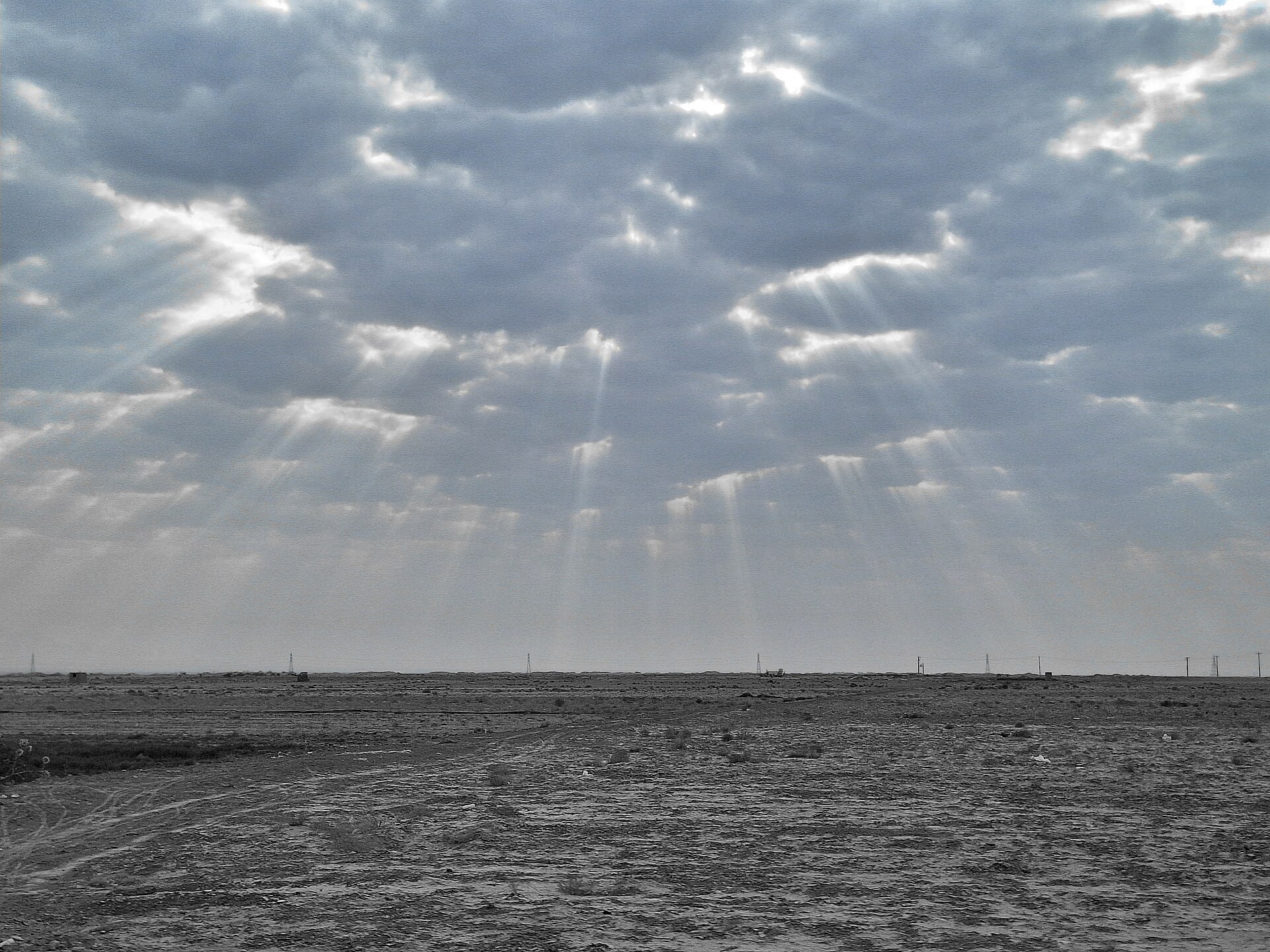
Capture more detail in both highlights and shadows
Ever taken a photo where the sky was blown out or the shadows were pitch black?
That’s a limitation of your camera’s dynamic range — the ability to record both bright and dark areas of a scene without losing detail.
Let’s explore what it means, why it matters, and how to use it creatively and technically.
Dynamic Range Defined
Dynamic range is the range of brightness a camera can capture — from the darkest shadow to the brightest highlight — in a single image.
It’s measured in “stops” of light (like in aperture or exposure).
Most modern cameras can capture around 10–15 stops of dynamic range.
The wider the dynamic range, the more detail you keep in both skies and shadows.
Why It Matters
1. Preserving Detail
- A wide dynamic range = more usable detail in sunlit clouds and dark forests
- Narrow range = blown-out skies or crushed blacks
2. Editing Flexibility
- More dynamic range gives you more room to recover detail in RAW editing
Shoot in RAW to get the most out of your camera’s sensor.
Examples in Practice
| Scene | Dynamic Range Challenge |
|---|---|
| Sunset hike | Bright sky + dark trail |
| Forest with sunbeams | Highlights & shadow mix |
| Mountain landscape | White peaks + shadowy valleys |
| City at dusk | Street lights vs sky detail |
With low dynamic range, you’ll need to choose which area to expose for.
How to Maximize Dynamic Range
- Shoot in RAW, not JPEG
- Use low ISO (ISO 100–400) — high ISO reduces dynamic range
- Expose to the right (ETTR): slightly overexpose to preserve shadows, then reduce in post
- Use exposure bracketing for HDR in extreme situations
[HDR vs Single Exposure – Coming soon]
Cameras and Dynamic Range
Some brands prioritize it:
| Camera Type | Dynamic Range (Typical) |
|---|---|
| Smartphones | ~8–10 stops (uses software HDR) |
| APS-C sensors | ~12–13 stops |
| Full-frame sensors | ~14–15 stops |
| Medium format | 15+ stops (ideal for landscapes, commercial) |
Final Thought
A good photo isn’t just about light — it’s about contrast and how much you can show.
Mastering dynamic range means knowing your camera and making smart creative decisions.