
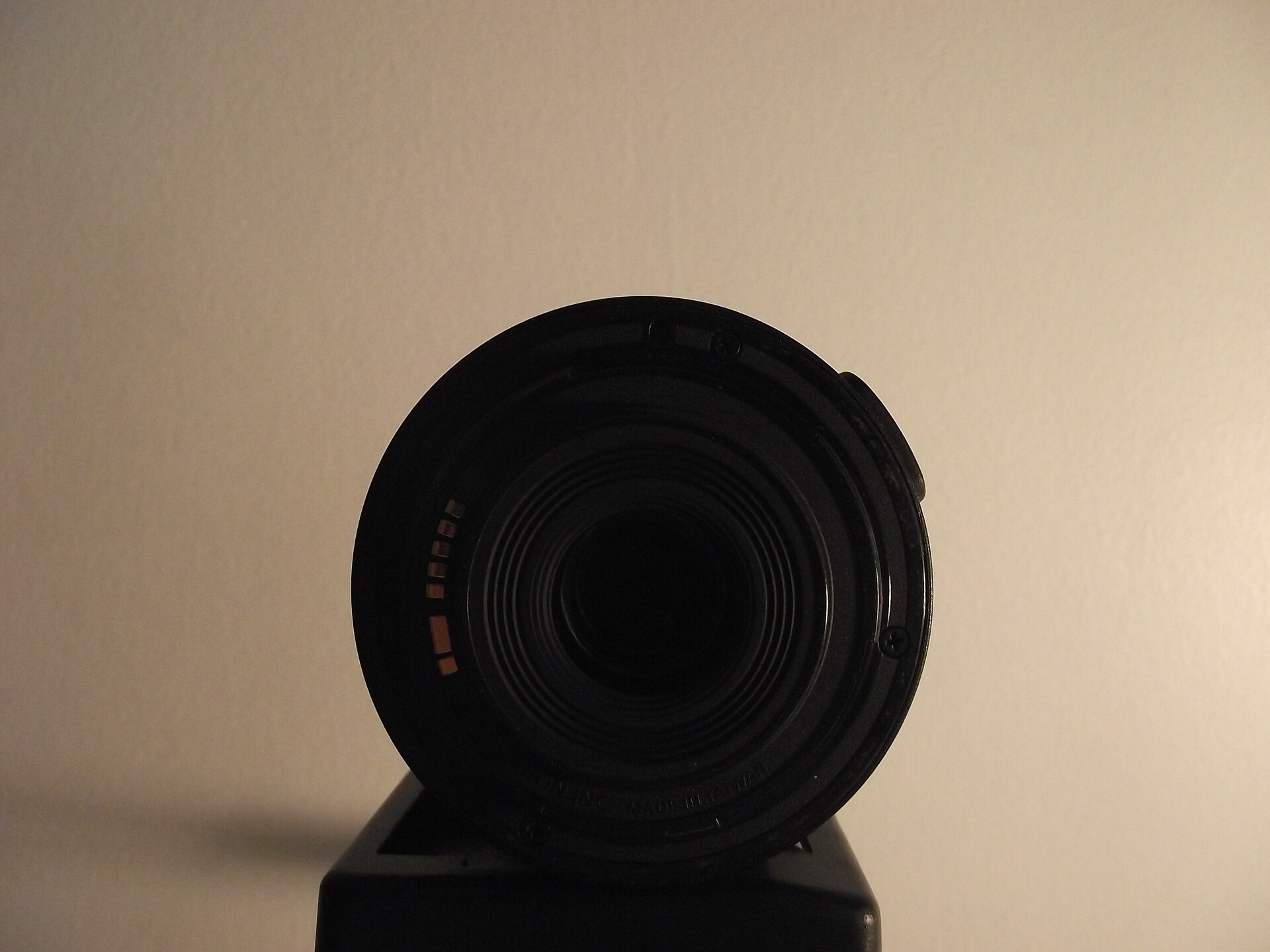
Sharp, Affordable, and Worth Every Penny
You’ve got your first camera — now what?
The next step is finding the right lens to unlock your creativity. But you don’t have to spend a fortune to take amazing photos.
This guide covers the best budget lenses for beginners, whether you’re into portraits, landscapes, or learning to shoot in low light.
What Makes a “Good Budget Lens”?
- Affordable: Usually under $300
- Lightweight: Easy to carry for daily use or travel
- Fast aperture: Great for blurry backgrounds and low light
- Sharpness: Better than most kit lenses
Many of these lenses punch above their price in both quality and versatility.
Top Picks by Mount Type (2025)
Canon RF Mount – Canon RF 50mm f/1.8 STM
- Sharp, fast, compact
- Perfect for portraits and low light
- Great first prime lens for EOS R bodies
~$199 USD
Canon RF 50mm f/1.8 – Canon USA
Sony E Mount – Sony 35mm f/1.8 OSS (APS-C)
- Small, stabilized, great bokeh
- Ideal for street and everyday use
- Fast autofocus for photo and video
~$300 USD (often on sale)
Fujifilm X Mount – Fujinon XC 35mm f/2
- Extremely lightweight
- Sharp wide open, nice contrast
- “Nifty fifty” equivalent on Fuji APS-C
~$199 USD
Nikon Z Mount – Nikon Z 40mm f/2
- Bright, compact prime
- Great for portraits or food photography
- Slightly wider than traditional 50mm
~$279 USD
Micro Four Thirds – Panasonic 25mm f/1.7
- Classic 50mm look on MFT
- Light and sharp
- Affordable and often bundled
~$150 USD
MFT Lens Compatibility Guide – B&H
Comparison Table
| Lens | Mount | Aperture | Weight | Ideal Use |
|---|---|---|---|---|
| Canon RF 50mm | RF | f/1.8 | 160g | Portraits, low light |
| Sony 35mm OSS | E | f/1.8 | 154g | Street, everyday |
| Fuji XC 35mm | X | f/2 | 130g | Portrait, travel |
| Nikon Z 40mm | Z | f/2 | 170g | General purpose |
| Panasonic 25mm | MFT | f/1.7 | 125g | Beginner all-round |
Why Start with a Prime Lens?
- Sharper images than zooms at the same price
- Helps you learn composition by moving instead of zooming
- Encourages creativity with limitations
“The 50mm lens is the best photography teacher you can buy.”
Final Thought
You don’t need expensive glass to make meaningful images.
Start small, shoot often — and let your skills outgrow your gear.