
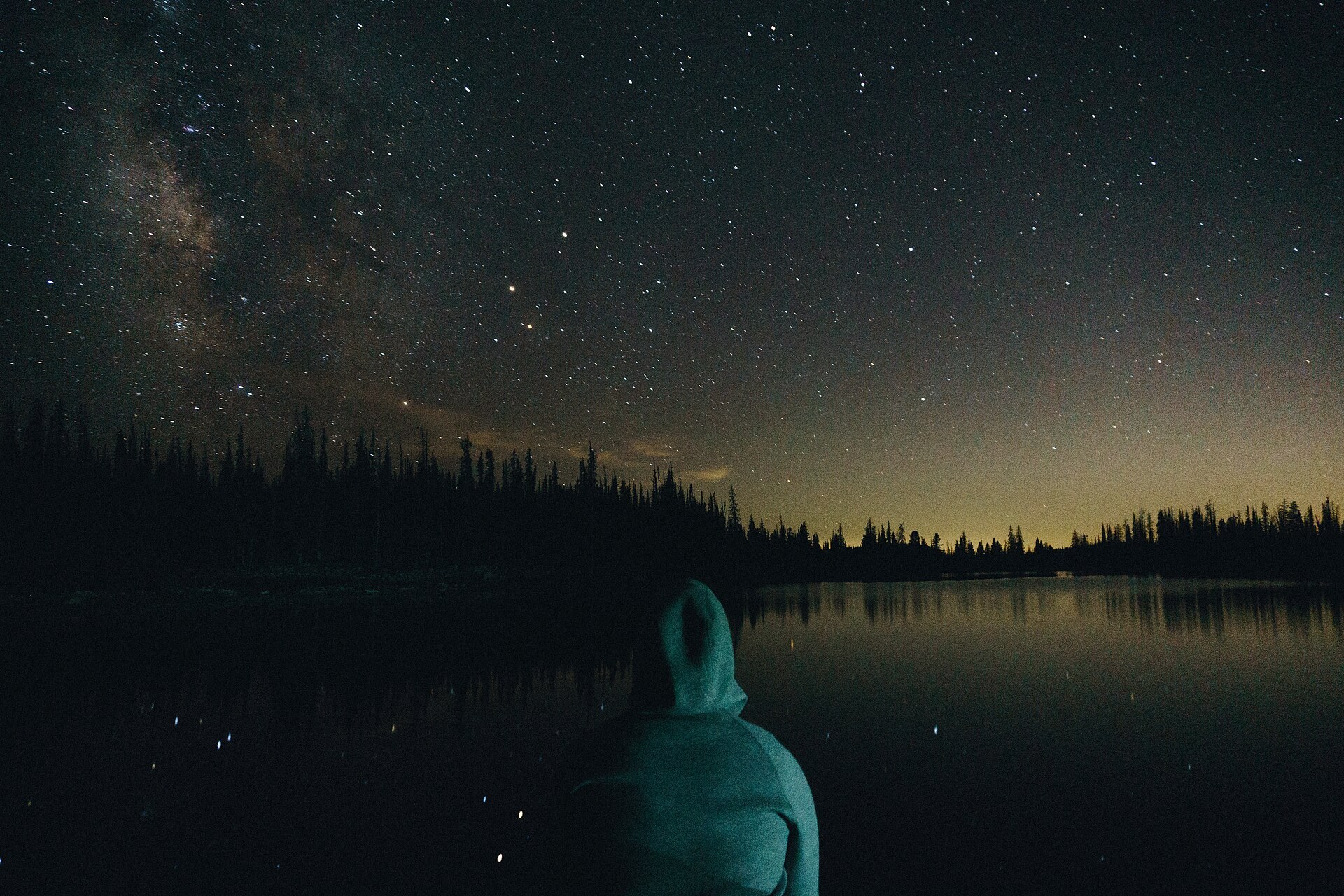
Understand why your photos look grainy — and how to reduce it
You’ve taken a shot in low light… and the result looks speckled or fuzzy, especially in the shadows.
That’s digital noise — the grainy, random specks that appear when a camera struggles with limited light or aggressive settings.
Let’s look at where it comes from, how to control it, and when you might even want to keep it.
Digital Noise Defined
Noise is the visual distortion (grain or color speckles) that appears in photos, especially:
- In low-light situations
- At high ISO settings
- In underexposed or heavily edited images
There are two main types:
- Luminance noise – looks like grain or texture
- Color noise – shows up as random red, green, or blue specks
Noise is like static in your image — most visible in shadows, skies, or flat areas.
What Causes Noise?
| Cause | How It Adds Noise |
|---|---|
| High ISO | Sensor amplifies signal — but also amplifies interference |
| Small sensor size | Smaller sensors gather less light, more prone to noise |
| Underexposure | Lifting dark areas in post enhances noise |
| Long exposures | Sensor heats up, increasing background noise |
Tip: A well-exposed shot at ISO 1600 will often look cleaner than an underexposed shot at ISO 800.
How to Reduce Noise
When Shooting:
- Lower ISO when possible (ISO 100–400 = cleanest)
- Expose properly — don’t rely too much on lifting shadows in post
- Use larger apertures (f/2.8 or lower) to let in more light
- Use a tripod for longer shutter speeds instead of raising ISO
- Enable in-camera noise reduction (especially for JPEGs or long exposures)
When Editing:
- Use noise reduction tools in:
- Lightroom / Camera Raw
- Topaz DeNoise AI (advanced)
- DxO PureRAW
Be cautious — too much noise reduction can blur details and soften textures.
Acceptable Noise Levels
| ISO | Clean on Most Cameras? |
|---|---|
| 100–400 | Yes — ideal for landscapes, portraits |
| 800–1600 | Usually fine with minimal reduction |
| 3200+ | Acceptable on modern full-frame cameras |
| 6400+ | Use with care — watch for color noise and loss of detail |
When Noise Adds Character
- Some photographers add grain on purpose for a film-like look
- Black & white images can tolerate (or benefit from) visible noise
- Street and documentary styles sometimes embrace texture
The key is to control noise, not fear it.
Final Thought
Noise is part of digital photography — but it doesn’t have to ruin your image.
With smart shooting and editing, you can reduce noise — or use it creatively.