
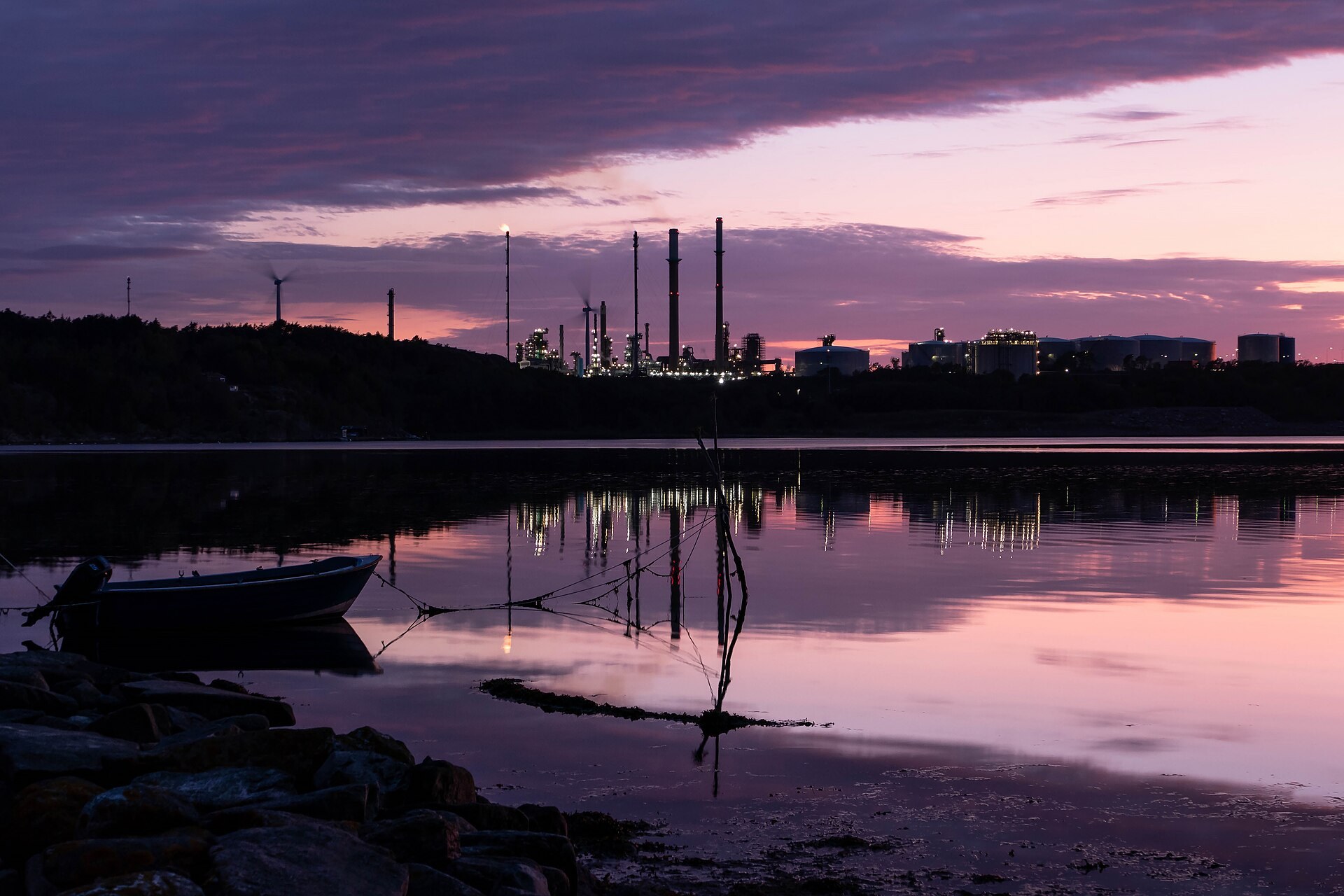
How contrast, direction, and mood shape your outdoor shots
Photography is all about light — but what makes a photo powerful is often the interaction between light and shadow.
Understanding how to see and use contrast can completely change the way you compose and expose your outdoor images.
Here’s how to work creatively with both light and darkness.
1. Why Shadow Is Just as Important as Light
Without shadows, your image can look flat or lifeless. Shadows:
- Reveal texture and form
- Add depth and dimension
- Create mystery or visual tension
- Guide the viewer’s eye
In nature, tree trunks, cliffs, rocks, and clouds all cast dynamic shadows.
2. Best Times to Capture Strong Contrast
| Time of Day | Light Quality | What to Shoot |
|---|---|---|
| Early morning | Side light, golden | Forest textures, long shadows |
| Midday | Harsh, direct | High contrast B&W, harsh rock faces |
| Late afternoon | Warm, angled | Portraits with mood, backlit shots |
| Cloudy | Soft, low contrast | Ideal for even exposure (less shadow drama) |
Natural Light Photography – Outdoor Photographer
3. Types of Light to Watch For
- Backlight: Subject lit from behind → use for silhouettes or glow
- Side light: Emphasizes texture and depth (great for nature)
- Top light: Flat, but can be used for graphic or shadow play
- Dappled light: Scattered spots of light through trees → adds rhythm
Tip: Use side light for moss, tree bark, stone walls, or human features in portraits.
Suggested Settings for Shadow Play
| Scene | Settings |
|---|---|
| Tree shadows at golden hour | f/4 – 1/250s – ISO 100 |
| Silhouette at sunset | f/8 – 1/500s – ISO 100 (meter for sky) |
| Harsh rock face (B&W) | f/11 – 1/800s – ISO 200 |
Use spot metering to control where your camera evaluates exposure.
Compositional Tips
- Expose for the highlights if you want shadows to go black
- Use negative space to contrast against a lit subject
- Try converting to black & white to emphasize light direction and texture
- Include both light and shadow in one frame to create tension or balance
Related Examples and Inspiration
Final Thought
Shadow isn’t the absence of light — it’s part of the story.
Learn to see it. Frame it. And let it speak.