
Silence, space, and the art of less
In a world full of visual noise, minimalist photography offers a breath of fresh air.
When practiced outdoors, it allows you to slow down, observe, and create images that feel quiet, intentional, and powerful.
Here’s how to simplify your compositions and embrace minimalism in nature.
1. What Is Minimalist Photography?
Minimalist photography uses a limited number of elements — often just one subject and a lot of space — to create visual calm and emotional resonance.
Key concepts:
- Negative space
- Strong shapes or lines
- Muted colors or contrast
- Intentional framing
The idea is to focus the viewer’s attention with clarity and balance.
Minimalist Photography Principles – Fstoppers
2. Where to Find Minimalism Outdoors
- Snowy fields with a single tree
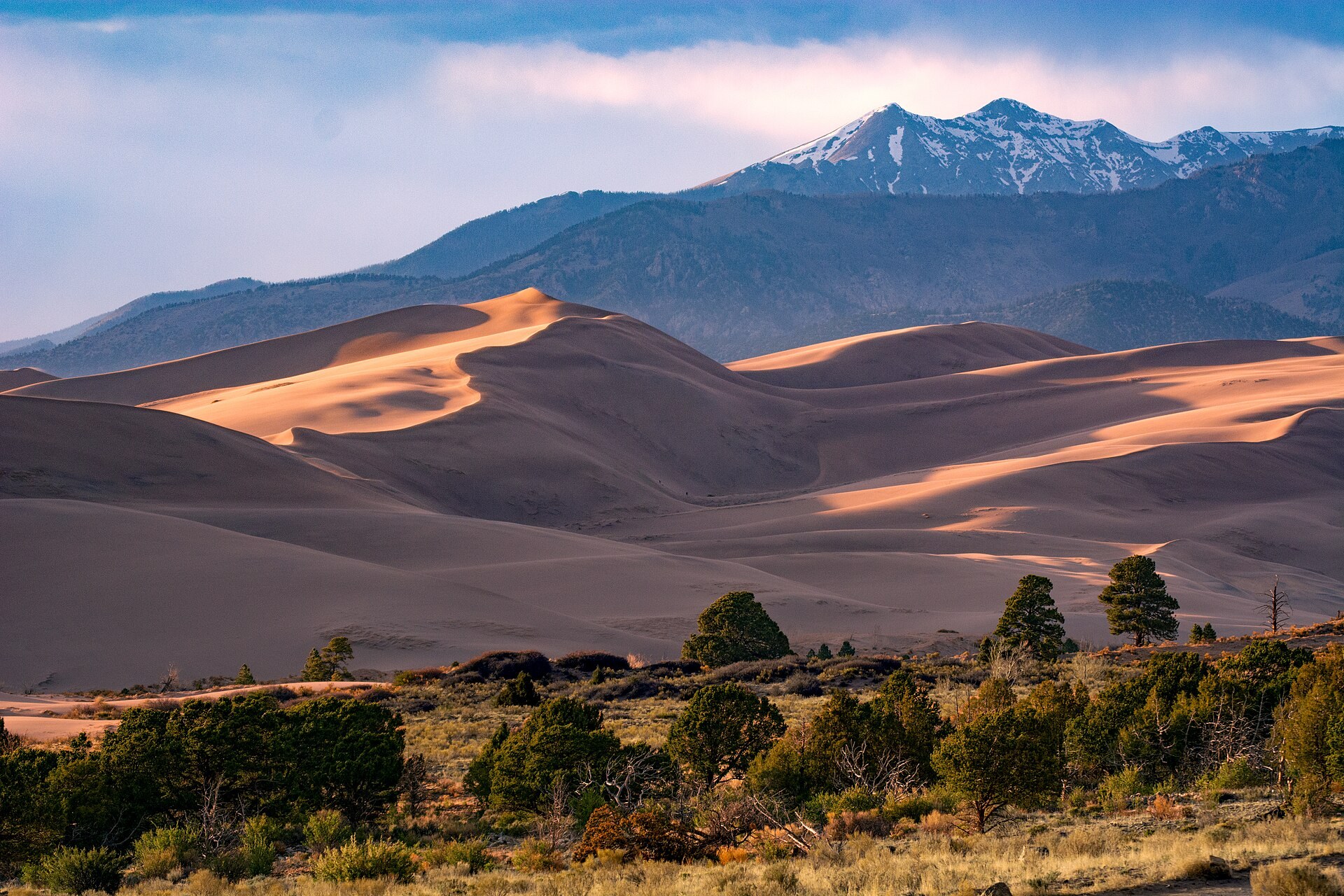
- Sand dunes or open beaches
- Mountains silhouetted against blank skies
- Clouds reflected in still water
- Lonely trails through open landscapes
Look for space and isolation in the scene — even small patches can work.
3. Recommended Camera Settings
| Scene | Settings |
|---|---|
| Foggy landscape | f/4 – 1/250s – ISO 400 |
| Snow field | f/8 – 1/640s – ISO 100 (+0.7 EV) |
| Open sky or beach | f/5.6 – 1/400s – ISO 100 |
Use exposure compensation when shooting bright scenes (snow, sky) to preserve white detail.
4. Compositional Techniques
- Use the rule of thirds, or break it with centered symmetry
- Let negative space dominate 70–80% of the frame
- Use color isolation (one red jacket in a blue field)
- Crop tightly around a simple shape or form
Sometimes the most impactful image is the one with just one subject and lots of air.
5. Tips for Minimalist Shooters
- Use a prime lens to reduce distractions
- Shoot in monochrome mode to focus on tone and shape
- Walk slowly, look for emptiness, not action
- Don’t be afraid of bland skies or fog — they simplify the scene
Explore: Quiet trail photography ideas – LetsGoPlayOutside
Final Thought
Minimalism in photography isn’t about what you include — it’s about what you leave out.
Outdoors, it’s an invitation to let silence speak visually.